

If you’ve ever spotted tiny, fuzzy little bugs hovering around your sink or shower drain, you already know how unsettling it can be. One day there’s one or two, and before you know it, you’ve got a full-blown infestation on your hands. Here at Spicewood Plumbing, we get calls about drain flies more often than you might think — especially during the warmer Texas months when heat and humidity create the perfect conditions for these pests to thrive. The good news? Drain flies are very manageable once you understand what’s causing them and how to tackle the problem at the root.
What Are Drain Flies?
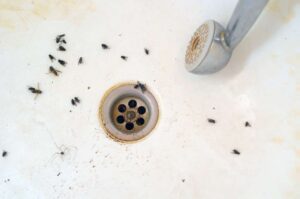
Drain flies — sometimes called moth flies — are tiny, fuzzy insects that love hanging out near drains, sinks, and any other damp, moist areas in your home. They’re small, usually only about 1/8 of an inch long, and their fuzzy, moth-like wings make them pretty easy to identify. They’re not the fastest fliers, so you’ll often see them resting on walls near drains or hovering lazily around your sink. One of the reasons they become such a headache is how fast they reproduce — a single female can lay hundreds of eggs within just a couple of days, which means a small problem can turn into a big one very quickly.
Why Do Drain Flies Infest Your Home?
Drain flies aren’t just randomly wandering into your home — they’re being drawn in by very specific conditions. These bugs thrive anywhere there’s a combination of moisture and organic material to feed on. The most common culprits are the buildup of biofilm (that slimy layer of bacteria, grease, hair, and food debris) inside your pipes, standing water from slow or clogged drains, and leaky pipes that create hidden moisture behind walls or under sinks. High humidity areas like bathrooms, basements, and laundry rooms are especially attractive to them. In some cases, they can even sneak in from outdoors through small cracks around windows, doors, or vents — particularly if your home is near outdoor drains or areas with pooling water. The bottom line: if drain flies are showing up, something in your plumbing environment is inviting them in, and a comprehensive plumbing inspection can help identify the root cause before the problem escalates.
How to Tell If You Have Drain Flies
Sometimes drain flies are obvious — you’ll see them flying around your bathroom or kitchen. But other times you might suspect they’re lurking in your drains without being totally sure. Here are a few easy ways to find out:
- Wave your hand over the drain — Any air movement will disturb flies hiding inside and cause them to fly out.
- Run your garbage disposal — If they’re living in your kitchen drain, the vibration and movement will flush them out, though persistent issues may require a professional look at the unit’s seal and trap.
- Use the tape test — Place a strip of tape sticky-side down over the drain and leave it overnight. Check it in the morning to see if any flies got caught on it.
- Look for resting flies — Drain flies tend to rest on walls and surfaces near their breeding ground, so check the walls around your sinks and drains.
If any of these tests confirm your suspicions, don’t wait — contact Spicewood Plumbing right away so we can assess the situation and get ahead of it before the infestation grows.
Are Drain Flies Harmful?
Here’s the reassuring part — drain flies are not dangerous to humans in any serious way. They don’t bite, and they’re not known to transmit disease directly. That said, they’re not something you want to just ignore either. Because they breed in dirty drains and organic waste, they can carry bacteria on their bodies and spread it to food prep surfaces. People with allergies or asthma may also notice mild irritation from their presence. In very rare cases, their larvae have been linked to a condition called myiasis, though this is extremely uncommon. The bigger issue is that a drain fly infestation is usually a signal that something is off with your drains — whether that’s a buildup problem, a clog, or a hidden leak — and those underlying issues can get worse over time if left unaddressed. When in doubt, it’s always better to have a licensed plumber take a look than to let a small problem quietly become a bigger one.
How to Get Rid of Drain Flies: Step-by-Step Solutions
There are several DIY approaches that homeowners commonly try when dealing with drain flies, and while they can offer some temporary relief, it’s important to understand their limitations. Here’s a look at what’s out there — and why pairing them with professional service is always the smarter move.
Boiling water: Pouring boiling water down the drain every couple of days can kill some larvae and loosen organic buildup. However, it rarely reaches deep enough to fully clear a pipe, and repeated use can damage PVC pipes over time. A professional drain cleaning will do the job far more thoroughly and safely.
Baking soda and vinegar: This popular home remedy can help break down light biofilm buildup inside your pipes when left overnight and flushed with hot water. That said, it’s no match for a heavy or established buildup. If the flies keep coming back after trying this, that’s a clear sign it’s time to call in the experts.
Apple cider vinegar trap: A jar of apple cider vinegar covered with plastic wrap and small holes poked in it can help catch adult flies. While this won’t solve the root cause, it can reduce the number of flies while you wait for a professional to address the underlying problem.
Drain brushing: Scrubbing the inside of your drain with a long-handled brush can remove some surface-level grime, but the deeper buildup inside your pipes often requires professional hydrojetting to fully clear the lines and remove the biofilm where larvae thrive.
Addressing moisture sources: Checking under sinks for leaks and dampness is a great habit, but hidden leaks behind walls or within your plumbing system aren’t always visible to the untrained eye. A licensed plumber can locate moisture issues that you might never find on your own.
At the end of the day, DIY methods are a starting point — not a permanent fix. For lasting results, reach out to Spicewood Plumbing and let us handle the problem the right way.
How to Prevent Drain Flies From Returning
Keeping drain flies from coming back comes down to consistent maintenance and staying on top of your plumbing health. While there are some good habits every homeowner can practice — like keeping sinks dry, not overwatering indoor plants, and using drain covers to keep debris out — the most effective prevention strategy is scheduling regular professional drain cleanings. Over time, buildup accumulates in ways that everyday cleaning simply can’t address, and a professional cleaning removes the organic material and moisture conditions that drain flies depend on to survive. Don’t wait until you see flies again to take action — proactive maintenance is always more affordable than reactive repairs. Spicewood Plumbing offers drain cleaning services designed to keep your pipes clear and your home pest-free year-round.
When to Call a Professional
If you’ve tried any of the DIY solutions mentioned above and the drain flies keep coming back, that’s your signal that there’s a deeper issue at play. Persistent infestations often point to problems that go beyond surface-level cleaning — things like significant pipe buildup, hidden leaks creating moisture behind walls, or poor drainage causing recurring standing water. But honestly, you don’t have to wait until things get bad to call us. A licensed plumber can do a thorough inspection of your entire drain system, identify what’s drawing the flies in, and clear it out completely. Professional drain cleaning and hydro-jetting can blast away years’ worth of buildup and remove breeding grounds for good — and catching small plumbing issues early can save you significant money down the road.
Drain flies are one of those problems that can feel never-ending if you’re only treating the symptoms and not the cause. The key takeaway is this: drain flies are a sign that your drains need professional attention. Whether it’s built-up biofilm, standing water, or a hidden leak, addressing the underlying issue is what will finally put an end to the cycle. DIY remedies have their place, but for a real, lasting solution, the experts are your best bet.
If drain flies have been giving you trouble and you’re ready to solve the problem for good, reach out to Spicewood Plumbing today — we’re just a call away and ready to help you take back your home.