

Hey there, neighbor! It's your friends at Spicewood Plumbing, coming to you from right here in Spicewood, TX, where we've fixed more shower leaks than we can count. If you've ever stepped into your shower and noticed a little puddle sneaking out from around the door, or you've spotted a musty smell that just won't quit, chances are you're dealing with a worn-out shower gasket. It sounds like a small, unglamorous part of your bathroom, but trust us, that little strip of rubber or silicone is doing a lot of heavy lifting. When it fails, water goes where it shouldn't, and that can lead to mold, rotted subfloors, and repair bills that make your eyes water more than the leak itself. So grab a cup of coffee (or sweet tea, this is Texas after all), and let's talk about what a shower gasket actually does, why it fails, and when it's time to stop poking around and call in the pros.
Common Causes of Leaking Showers
Cracked or Missing Tile Grout
Grout is basically the glue that holds your tile's waterproof barrier together. Over time, exposure to water, heat, and soap scum causes it to dry out and crack. Once there's a gap, water sneaks behind the tile and starts causing trouble you can't see until it's a real problem.
Faulty Shower Faucets and Valves
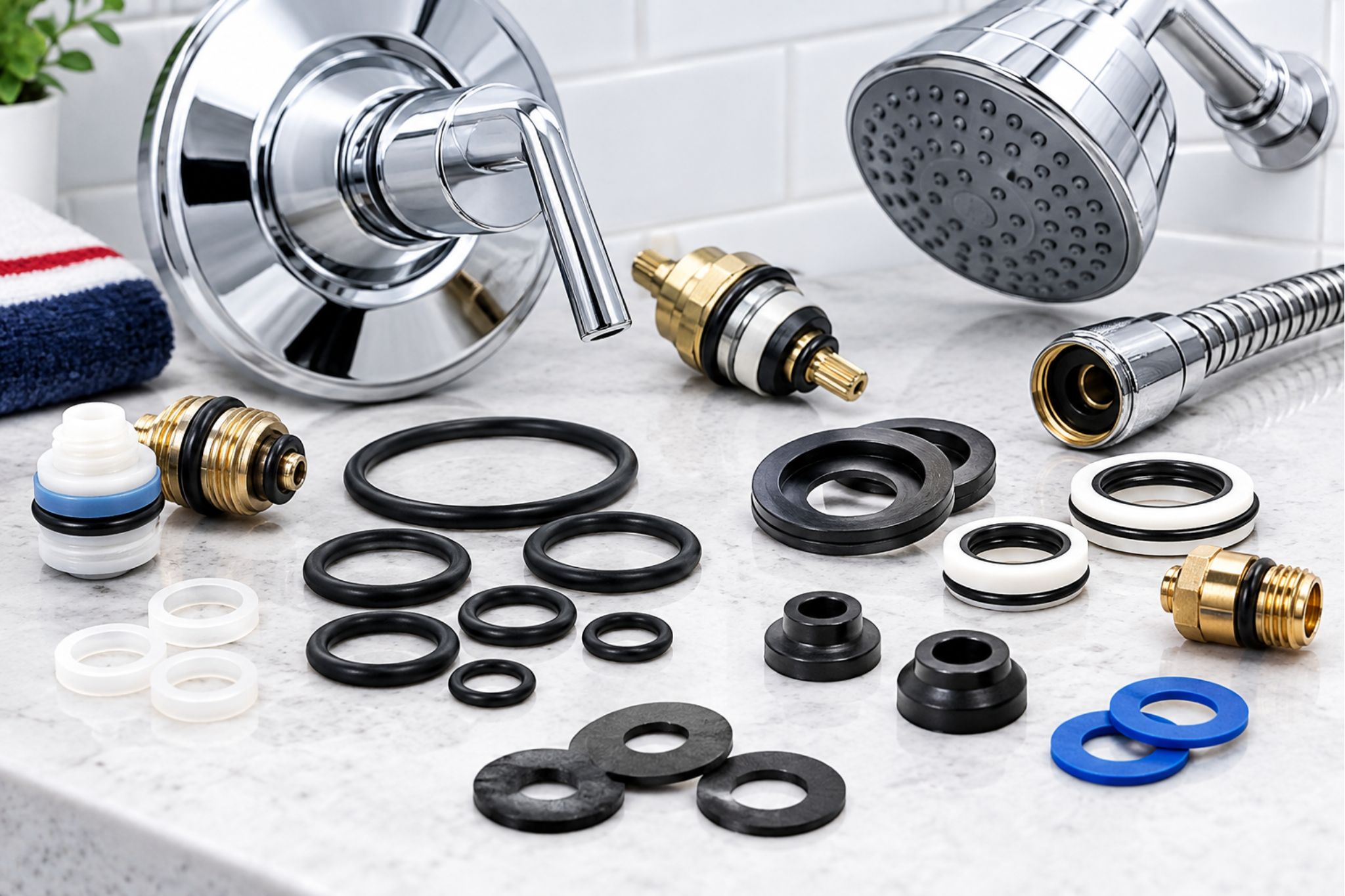
Behind every shower handle sits a valve system full of small parts like cartridges, washers, and O-rings. These wear down with use, and once they do, shower valve repair may be necessary to prevent water from leaking into the wall cavity without you even noticing until there's a stain on the ceiling below.
Leaking Drains and P-Traps
Your shower drain connects to a P-trap designed to keep debris out of your plumbing. Over the years, this connection can loosen or crack, letting water seep into the substructure of your home. Regular drain cleaning can also help prevent buildup and keep your shower drain flowing properly.
Waterproofing Membrane Failure
Behind your tile should be a waterproofing membrane that acts as the last line of defense. When it's installed poorly or starts to break down, water gets past everything and settles where it really shouldn't.
Silicone and Caulk Degradation
Silicone seals the gaps where your shower meets the wall or floor. It's flexible enough to handle a shifting house, but it still breaks down over time, cracking, growing mold, or pulling away from the surface.
Damaged Shower Pans or Bases
The shower pan is the foundation of your whole shower. If it's cracked or wasn't sealed right in the first place, water can escape underneath and rot the subfloor long before you notice anything from the outside. Professional bathroom plumbing services can help identify and address these hidden water issues before they lead to more extensive damage.
Plumbing Pipe Leaks Behind the Wall
Pipes hidden behind your shower wall can loosen, corrode, or crack over the years. Since you can't see them, these leaks often go unnoticed until water stains show up somewhere unexpected.
Damaged or Misaligned Shower Doors and Tracks
And here's where the shower gasket really comes into the spotlight. The gasket is the rubber or vinyl seal that runs along your shower door, keeping water inside the shower where it belongs. When it gets brittle, cracked, or comes loose from the track, water finds its way out onto your bathroom floor every single time you shower. It's one of the most common — and most overlooked — causes of "mystery puddles" outside the shower.
Recognizing the Warning Signs
Visible Signs of Water Damage
Peeling paint, warped drywall, or discolored grout lines near your shower door are all signs that water is escaping somewhere it shouldn't.
Musty Smells and Hidden Moisture
If your bathroom smells musty even after you've cleaned it top to bottom, that's often a sign of trapped moisture behind the walls or under the flooring, sometimes traced right back to a failing shower gasket letting water sneak behind the frame.
When Leaks Only Happen During Use
Does your bathroom floor stay dry until you actually turn the shower on? That's a big clue the seal around your door, not your plumbing, is the culprit. A worn shower gasket lets water splash or seep out only while water is actively hitting it.
How Professionals Identify the Source of a Leak
Shower Pan and Dye Testing
Professionals can plug your drain, fill the pan with water, and let it sit to see if the water level drops, telling them whether the leak is coming from below the shower or somewhere else entirely, like the gasket itself.*-
Moisture Meter Detection
A moisture meter can pinpoint dampness behind tile or drywall without tearing anything apart, which is a huge help in tracking down exactly where a shower gasket or seal has failed.
Why Accurate Diagnosis Matters
Guessing at the source of a leak can lead to fixing the wrong thing entirely; you might replace a gasket when the real issue is a cracked pan, or vice versa. A proper diagnosis saves you time, money, and a whole lot of frustration.
Baths vs. Showers — Water Usage and Plumbing Health
Which Uses Less Water: Baths or Showers?
Showers typically win the water-saving battle. A standard shower uses about 2 to 2.5 gallons per minute, while a full bathtub can use around 30 gallons per fill. Even a 10-minute shower usually uses less water than a bath.
Everyday Habits That Protect Your Plumbing
1. Avoid using heavy oil-based bath products that can build up inside your pipes over time
2. Use a drain cover or hair catcher to keep hair from clogging your shower drain
3. Clean your shower gasket and tracks regularly to prevent mold and buildup that speeds up wear
4. Wipe down glass doors and seals after each use to reduce mineral deposits and soap scum
5. Check your caulk and gasket seals a few times a year for cracking or shrinkage
6. Avoid slamming shower doors, which can loosen the gasket from its track over time
Why Neither Option Is "Better" for Pipes
There's no strong evidence that baths or showers are inherently better or worse for your plumbing system as a whole. What matters more is how you use and maintain the fixtures, gaskets, and seals involved.
The Real Cost of Shower Repairs
Typical Repair Costs by Issue Type
Simple fixes, like replacing a shower gasket or door seal, tend to be relatively affordable and quick. On the other end of the spectrum, things like valve body replacement or hidden leak detection can run several hundred dollars because they often require opening up walls or tile.
Why Some Repairs Are More Complex Than Others
A gasket replacement might take an hour. A hidden pipe leak behind the wall could take a full day of investigation and repair. The complexity depends entirely on where the leak is and how long it's been happening before anyone noticed.
Preventing Future Shower Leaks
Quality Materials and Proper Installation
Cutting corners on waterproof membranes, backer board, or gasket material almost always costs more down the road. Quality materials installed correctly the first time save you headaches for years.
Routine Maintenance and Inspection
Check your shower gasket, caulk, and grout at least once or twice a year. Catching a small crack early is a lot cheaper than repairing water damage later.
Simple Habits That Reduce Long-Term Risk
Keep your shower door tracks clean, dry your gasket after use when you can, and don't ignore small drips or squeaky door hinges. They're often early warning signs of bigger problems ahead.
Why You Should Call a Professional Plumber
The Risks of DIY and Unlicensed Repairs
It's tempting to grab a tube of caulk and call it a day, but misdiagnosing a leak or improperly sealing a gasket can trap moisture behind the wall, making the problem worse and harder to fix later. Working with unlicensed handymen can lead to similar issues, plus unnecessary costs down the line.
Benefits of Professional Diagnosis and Repair
A licensed plumber has the tools, like moisture meters and dye testing, to find the real source of a leak the first time. That means you're not throwing money at guesses, and you get a repair that actually lasts.
Getting a Reliable Quote from a Licensed Plumber
Before any major repair, it's always worth getting a clear, honest quote from a trusted local plumber. It gives you a full picture of the problem and the cost before any work begins, no surprises.
Final Thought
Protecting Your Home Starts with Expert Help
At the end of the day, a shower gasket might seem like a tiny, forgettable part of your bathroom, but it plays a big role in keeping your home safe from water damage, mold, and expensive repairs. Whether it's a cracked gasket, a failing seal, or a leak you just can't seem to track down, catching the problem early and getting it fixed properly is always worth it.
We've been helping folks around Spicewood, TX, keep their bathrooms leak-free for years, and we love nothing more than solving a plumbing mystery before it turns into a full-blown headache. If you've noticed water sneaking out from your shower door or you just want a professional set of eyes on your bathroom, give Spicewood Plumbing a call today and let's get that gasket, and your peace of mind, back in working order.